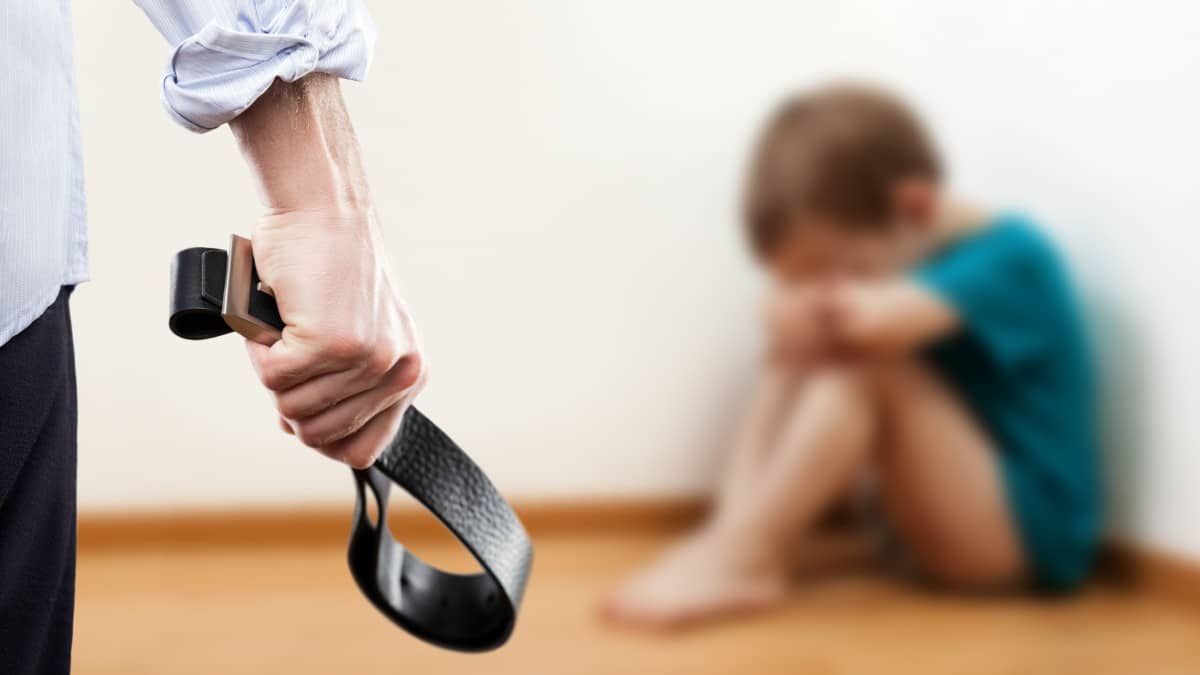



Physical punishment is still seen as a normal part of parenting in many families. It is often described as discipline — something necessary to correct behaviour quickly, to ‘make a point’, to ensure that a child understands.
And in a way, it does work. At least on the surface. Behaviour stops or changes. The message seems to get through. There is immediate compliance.
But if you look a little deeper, what actually stays is something else.
People often say they don’t remember what they were punished for as children. The details fade. The reasons blur. But the feeling doesn’t. What remains is the memory of how it felt — the humiliation, the loss of safety, the moment when the person who was supposed to protect you became someone you were constantly afraid of.
There is an example that makes this even clearer. A child is given a choice: physical punishment or restriction. And the child chooses physical punishment. At first glance, this seems to validate the method — as if even the child prefers it. But the reason is much simpler. It’s fast. The pain ends relatively quickly, and life goes back to ‘normal’. With one ‘but’ — the child also begins to accept this type of behaviour as normal and may carry it into everyday interactions, or repeat it later as an adult.
Restriction works differently. It stretches the experience. It creates space — sometimes uncomfortable space — where the child is reminded again and again of what happened. There is time to think, to reflect, to connect actions with consequences. It’s not as immediate, and it’s not as easy, but it reaches deeper.
Some people openly admit that fear was their main motivator growing up. And fear can be effective. It can stop behaviour instantly. But what it teaches is something else entirely. Not responsibility, not understanding, but avoidance. It teaches a child how not to get caught, how to escape consequences, how to submit in the moment rather than grow from it.
Children do need to understand danger. They need to learn to be cautious of situations that can truly harm them — unsafe environments, strangers, real risks. But the place where they are meant to feel safest should not be one of those dangers. The relationship with a parent should not be built on fear.

Authority still matters. Children need boundaries, structure, and guidance. But authority is not necessarily built on physical force. It can be built through consistency, clarity and personal example. It takes more time, more patience, more presence. But most things that last do.
What’s interesting is how we approach effort in other areas of life. When it comes to health, strength, or skill, we understand that real results come from slow, consistent work. We don’t expect transformation overnight. And yet, when it comes to children, there is still a tendency to rely on fast, force-based correction — something that produces an immediate result, but often leaves something deeply broken beneath it.
This isn’t about blame. Most people repeat what they experienced themselves. But awareness changes something. Once you start looking at it differently, it becomes harder to accept it as simply ‘normal’.
And maybe that’s where change begins — not in having all the answers, but in being willing to question what has always been taken for granted.
Some patterns need to be abandoned.
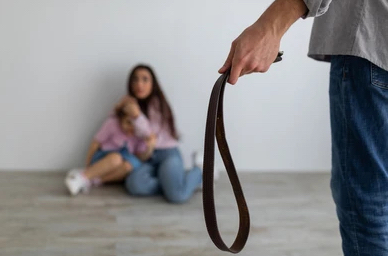
If this resonated with you, share it, repost it, or pass it on — so more people can start questioning what is ‘normal’ and what is not. Hitting small kids, bigger kids or women with belts is not normal. It is abuse in its purest form.