



Reconnecting the Human Body with the Earth
Modern life has moved people further away from direct contact with nature than ever before. Concrete floors, synthetic shoes, high-rise living, constant screen exposure, artificial lighting, and electromagnetic overload have gradually disconnected the human body from one of its most natural environments — the Earth itself.
Grounding, also called earthing, is based on a simple idea: the human body functions differently when it maintains direct physical contact with the Earth’s natural electrical charge.
Up until recent times, humans walked barefoot or used natural materials for shoes production, slept close to the ground, spent most of their lives outdoors, and remained in constant contact with natural surfaces. Today, most people spend the majority of their lives insulated from the Earth by rubber soles, synthetic materials, elevated buildings, and indoor environments.
This growing separation from nature has raised increasing interest in grounding practices and barefoot movement as a way to reconnect the body with its natural environment.
What Is Grounding?
Grounding refers to direct physical contact between the body and the Earth’s surface. This contact may happen through:
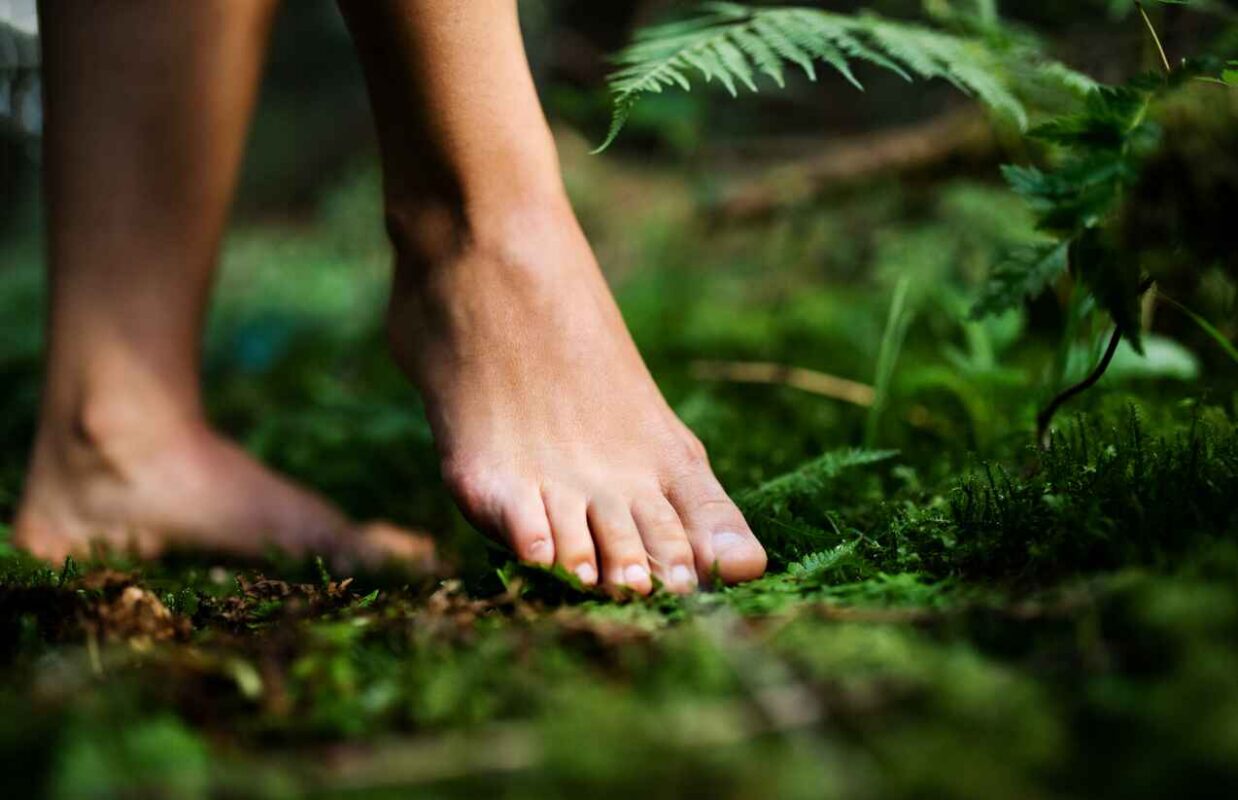
- Walking barefoot on grass, soil, sand, or natural stone
- Sitting or lying directly on the ground
- Swimming in natural bodies of water
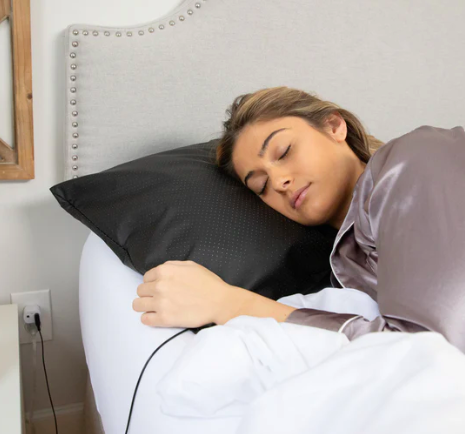
- Using grounding systems or conductive materials designed to simulate natural contact with the Earth
The concept behind grounding is that the Earth carries a subtle natural electrical charge, and direct contact may help balance electrical activity within the human body.
Supporters of grounding suggest that reconnecting with the Earth may help regulate stress responses, support nervous system balance, improve sleep quality, reduce chronic tension, and restore a more natural physiological state.
Research in this field is still developing, and while some findings appear promising, grounding remains a topic of debate within mainstream medicine.

The Modern Disconnection from Nature
Human biology developed in direct relationship with natural environments. Yet modern lifestyles have created several layers of separation:
- Synthetic footwear with insulating rubber soles
- Artificial flooring and elevated living spaces
- Constant electromagnetic exposure
- Reduced outdoor time
- Sedentary indoor lifestyles
- Chronic stress and nervous system overstimulation
- Lack of natural sunlight and circadian rhythm disruption
Many grounding advocates believe this separation contributes to chronic fatigue, nervous system imbalance, inflammation, sleep problems, anxiety, and reduced resilience.
Whether viewed from a biological, electrical, or simply lifestyle perspective, one thing is clear: modern humans spend dramatically less time in direct contact with nature than previous generations.
Barefoot Walking and Natural Foot Function
One of the most discussed aspects of grounding is barefoot walking. Modern footwear often changes the natural mechanics of the human body. Thick cushioned soles, elevated heels, narrow toe boxes, and rigid support structures can weaken foot muscles and alter posture and gait over time.
Barefoot or minimalist footwear aims to restore more natural movement patterns. Minimalist shoes typically include:
- Thin and flexible soles
- Wide toe boxes
- Flat “zero-drop” design without heel elevation
- Minimal cushioning
The goal is to allow the foot to move more naturally while still providing protection from sharp surfaces.
Natural foot movement may help:
- Strengthen foot muscles
- Improve posture
- Increase balance and stability
- Enhance body awareness
- Reduce strain on knees, hips, and lower back
- Restore more natural walking patterns
Some people also report improved circulation, better foot mobility, and reduced chronic tension after transitioning to barefoot-style movement. (groundz.com)

Grounding and the Nervous System
One of the main reasons people explore grounding is its potential effect on stress and nervous system regulation. Modern life places the body into a near-constant state of stimulation:
- Continuous notifications and screen exposure
- Information overload
- Artificial light at night
- Chronic psychological stress
- Lack of rest and recovery
- Noise pollution
- Reduced physical movement
Grounding practices are often associated with slowing down the nervous system and returning attention to the present moment. Basic grounding methods are physical — such as walking barefoot outdoors — while there are also psychological techniques designed to stabilize attention during anxiety, stress, or emotional overwhelm.
Mental grounding techniques may include:
- Focusing on physical sensations
- Conscious breathing
- Touching natural objects
- Observing surroundings through the senses
- Reconnecting attention to the body and present moment
These methods are commonly used in stress management and trauma therapy to help reduce mental overwhelm and restore a sense of stability.
Potential Benefits Associated with Grounding
People who regularly practice grounding often describe improvements in:
- Sleep quality
- Stress resilience
- Mood balance
- Mental clarity
- Physical relaxation
- Energy levels
- Body awareness
- Recovery from physical tension
- Overall sense of calm and connection
Some small studies have explored grounding’s relationship with inflammation, stress hormones, heart rate variability, sleep, and nervous system regulation. At the same time, many of grounding’s potential benefits may also come from factors naturally connected to the practice itself:
- Spending more time outdoors
- Reduced screen exposure
- Increased sunlight exposure
- Slower pace of movement
- Mindfulness and sensory awareness
- Contact with natural environments
- Gentle physical activity
Even independently of electrical theories, these lifestyle shifts alone can positively influence overall wellbeing.

Grounding as a Lifestyle Practice
Grounding does not need to become a complicated wellness ritual. Simple daily practices may include:
- Walking barefoot on natural surfaces
- Spending time outdoors without devices
- Gardening with bare hands
- Sitting directly on grass or sand
- Swimming in oceans, lakes, or rivers
- Practicing conscious breathing outdoors
- Reducing unnecessary artificial stimulation
- Using more natural movement and posture throughout the day
The purpose is not perfection, but reconnection. Grounding can also become a reminder that human health is deeply connected to rhythm, environment, movement, sunlight, rest, and direct interaction with nature.
Spending more time outdoors, moving naturally, reducing artificial overstimulation, reconnecting with sensory awareness, and restoring direct contact with nature may support wellbeing in ways that modern lifestyles often neglect.
Grounding should not become a cure-all ideology. But as part of a broader lifestyle focused on balance, nervous system regulation, natural movement, and connection with nature, it may offer meaningful benefits for many people.
Grounding is ultimately about reconnection. Reconnection with the Earth. Reconnection with the body. Reconnection with natural rhythm. Reconnection with presence.
In a world increasingly dominated by artificial environments, speed, overstimulation, and disconnection from nature, even simple acts — walking barefoot on grass, feeling sunlight on the skin, breathing deeply outdoors, slowing down enough to feel the ground beneath your feet — may become surprisingly powerful.
Health does not begin with adding more. It actually begins with returning to what humans were always connected to in the first place.
Sources:
Groundz Barefoot Method (groundz.com)
Healthline Grounding Techniques (healthline.com)
Practical Applications of Grounding to Support Health (pmc.ncbi.nlm.nih.gov)
Grounding products recommendations

Grounding shoes
BE ELECTRIC
walk human
Grounding allows the flow of electrons from the Earth to your body, a process understood to neutralize free radicals and reduce inflammation, potentially leading to improved sleep, pain reduction, and enhanced well-being. In today’s world, wearing shoes is often necessary for protection or to adhere to social norms, so we’ve developed grounding shoes with soles made from materials that allow the Earth’s energy to flow through them, all without compromising style. These shoes enable us to stay connected to the Earth’s energy even when we can’t walk barefoot, bringing a piece of nature with us wherever we go.
Groundz shoes
Grounding tools
Many people notice they feel different after time outdoors, especially barefoot on natural ground. Modern life made that harder to come by.
With a background in grounding & electrical systems, Clint from Earthing explored how to make that same connection simple & consistent at home, during sleep, desk time, & downtime. What began as a personal experiment became a mission.
Earthing products